How to Identify Genuine vs Fake Branded Shoes
When you’re investing in branded footwear, you’re paying for quality, comfort, and style. But with the growing number of counterfeit products flooding the market, it’s becoming harder to tell the difference between genuine vs fake branded shoes. These knockoffs often look convincing but compromise on quality, comfort, and durability. Whether you’re shopping for sneakers, boots, or dress shoes, knowing how to identify Genuine vs Fake Branded Shoes can save you money, protect your feet, and help you identifing genuine vs fake branded shoes and make smarter purchases.
In this detailed guide, we’ll walk you through How to identify Genuine vs Fake Branded Shoes, the importance of buying from trusted sources, and expert tips to verify the authenticity of your favorite footwear brands.
1. Check the Price – If It’s Too Good to Be True, It Probably Is
One of the first red flags when buying branded shoes is an unusually low price. Genuine brands like Nike, Adidas, Puma, or Jordan rarely offer huge discounts outside official sales or verified outlets.
If you come across a pair priced 50–70% cheaper than retail, especially from an unverified seller, there’s a good chance they’re counterfeit. While everyone loves a good deal, branded shoes come with a certain cost due to premium materials, manufacturing, and quality checks.
👉 Tip: Always compare prices with the brand’s official website or trusted retailers before buying.
2. Inspect the Packaging Carefully
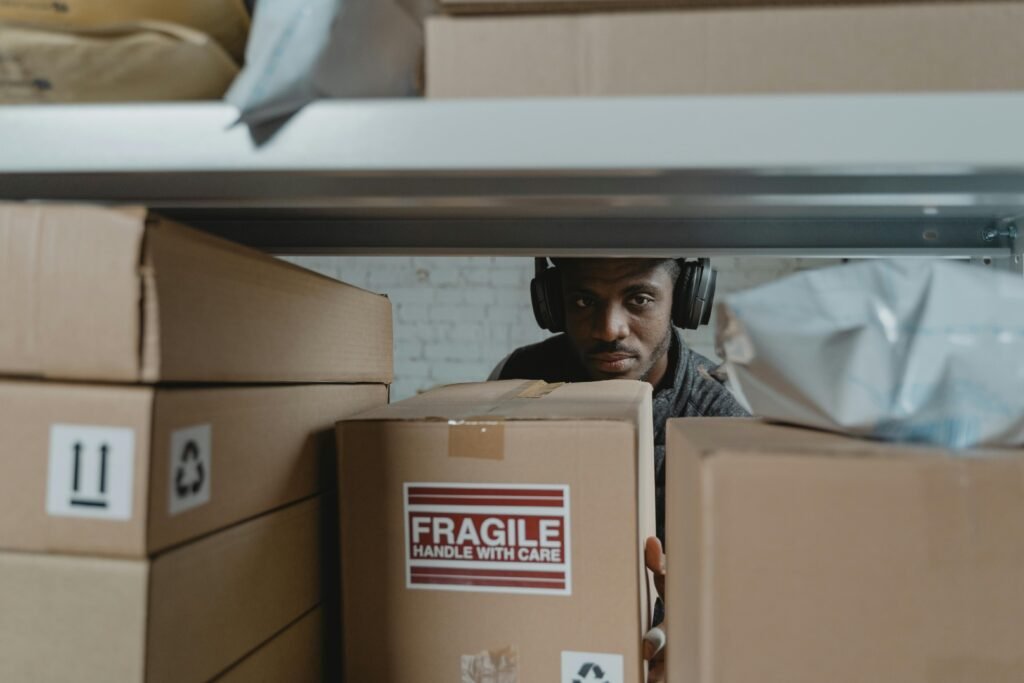
Branded shoes come with high-quality, sturdy packaging. Counterfeit products, on the other hand, often come in flimsy boxes, missing logos, or incorrect color schemes.
Here’s what to look for:
- Logo Placement: Genuine boxes will have the correct brand logo, typography, and colors.
- Barcodes & Labels: Authentic boxes usually include a sticker with the model number, size, manufacturing country, and a scannable barcode.
- Dust Bags & Paper: Some premium brands include branded tissue paper, tags, or dust bags — fake ones may skip these details or use low-quality substitutes.
A simple check of the packaging can often reveal a lot about the authenticity of your purchase.
3. Examine the Logo and Branding
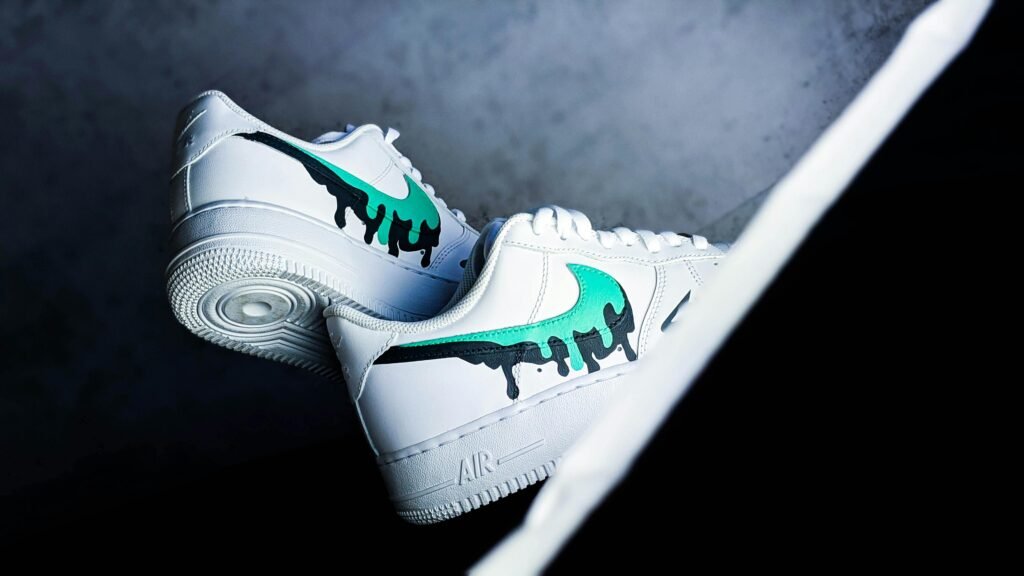
Brand logos are one of the easiest ways to spot fake shoes — counterfeiters often make small but noticeable mistakes.
Look out for:
- Misspelled Names: Common in fake products (e.g., “Adibas” instead of “Adidas”).
- Incorrect Font or Logo Size: Compare the logo on your shoe with the one on the brand’s official site.
- Misaligned Branding: Genuine shoes have perfectly placed logos, while fakes might look crooked or uneven.
Even the smallest detail — like a wrong color shade or misplaced stitching around the logo — can reveal that a shoe isn’t genuine.
4. Check the Quality of Materials and Stitching
Authentic brands use premium materials such as genuine leather, mesh, or high-grade synthetic fabrics designed for comfort and durability. Fake shoes often use cheaper alternatives that look similar but wear out quickly.
Here’s what to observe:
- Texture: Genuine leather feels soft and flexible, while fake leather feels stiff or plasticky.
- Smell: Real shoes usually have a neutral or slightly leathery smell, while fake ones might have a strong chemical odor.
- Stitching: Authentic shoes have neat, even stitching. Fake pairs often show loose threads or irregular stitching patterns.
Take a close look at the soles and inside linings too — genuine brands maintain consistency across every part of the shoe.
5. Compare Product Codes and Labels
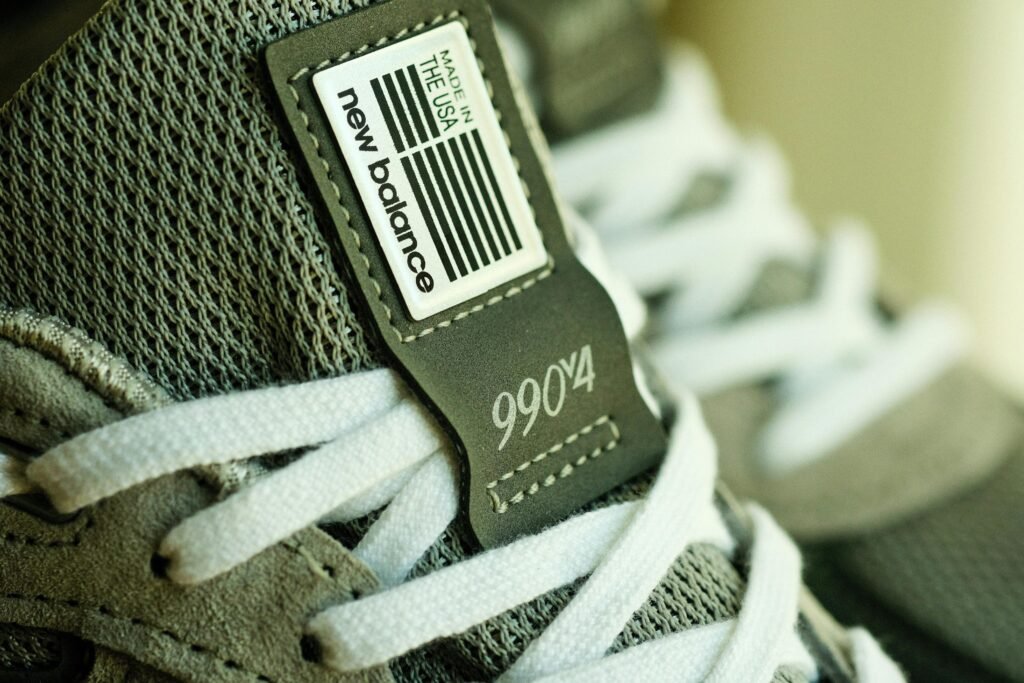
Every authentic pair of branded shoes comes with a unique product code or serial number printed on the label inside the shoe or on the box. This code helps identify the exact model and color, genuine vs fake branded shoes.
To verify authenticity:
- Find the product code (usually a 6-10 digit alphanumeric code).
- Search it on the brand’s official website or Google Images.
- If the photos or descriptions don’t match your pair, they’re likely fake.
👉 Pro tip: Check that the code inside the shoe matches the one on the box. If they’re different, it’s a major red flag.
6. Test the Comfort and Fit
One of the biggest differences between genuine vs fake branded shoes is comfort. Genuine branded shoes are ergonomically designed with cushioning, arch support, and breathable materials. Fake shoes usually lack these features and can feel stiff or uneven.
When trying on a pair:
- Walk around and notice the sole’s flexibility and arch support.
- Check for any pressure points or loose padding.
- Authentic shoes should feel supportive from the moment you wear them.
Counterfeit versions may look similar but often compromise on comfort — which can even cause foot pain over time.
7. Verify the Seller’s Authenticity
No matter how real the shoes look, where you buy them matters most. Many counterfeit shoes are sold on unverified online marketplaces, small social media shops, or local stalls.
To avoid fake sellers:
- Buy only from official brand websites or authorized dealers.
- On online platforms (like Amazon or Flipkart), check the seller’s ratings and reviews.
- Look for verified seller badges or “Sold by [Brand Name]” indicators.
If a website doesn’t have clear contact information, customer service, or return policies — it’s best to avoid it.
8. Review the Return and Warranty Policy
Most reputable brands offer return, exchange, or warranty policies for their products. Counterfeit sellers rarely do.
Before you make a purchase:
- Read the return and refund policy carefully.
- Check if the product includes official warranty information.
- Avoid deals that say “no return or exchange” — it’s often a sign of fake merchandise.
Having a proper return policy adds an extra layer of protection for your purchase.
9. Look for Quality Control Tags and Holograms
Some brands, like Nike and Adidas, include holographic ,stickers, QR codes, or RFID tags inside the shoe or box for authenticity verification.
Scan these using your smartphone — if the code redirects you to the official brand’s site or product page, your shoes are genuine vs fake branded shoes. If not, you may have purchased a counterfeit product.
Always be cautious with holograms that look cheap, blurry, or peel off easily — they’re often fake copies of the real thing.
10. Trust Your Instinct and Research Before Buying
Finally, trust your instincts. If something feels off — the price, packaging, or even the website — take a step back and double-check. Counterfeiters are becoming more sophisticated, but they still make mistakes.
You can also check online communities and sneaker forums where collectors share side-by-side comparisons of genuine vs fake branded shoes models. Doing your research before buying can save you from disappointment and wasted money.
Why Buying Genuine Shoes Matters
Buying authentic branded shoes isn’t just about looking good — it’s about getting what you pay for. Genuine shoes offer:
- Better comfort and support for your feet.
- Long-lasting materials that withstand daily wear.
- Proper warranty and after-sales service.
- Brand trust and satisfaction.
Fake shoes might look similar, but they lack the performance, comfort, and durability that make genuine brands worth the investment.
If you want to see the best shoes, Click Here..
Final Thoughts
Spotting fake shoes takes a little attention to detail, but once you know what to look for, it becomes easy. Always inspect the packaging, check the logos, compare serial numbers, and buy only from trusted sources. Here we discussed how to identify genuine vs fake branded shoes.Remember — a great deal isn’t great if it costs you quality, comfort, and credibility.Stay informed, shop smart, and take every step in style — confidently wearing shoes that are 100% authentic